Manual Irrigation Systems: A Comprehensive Overview (Updated 01/22/2026)
Manual irrigation involves people directly supplying water to plants, crucial when rainfall is insufficient, utilizing sources like rivers, lakes, and wells for crop growth.
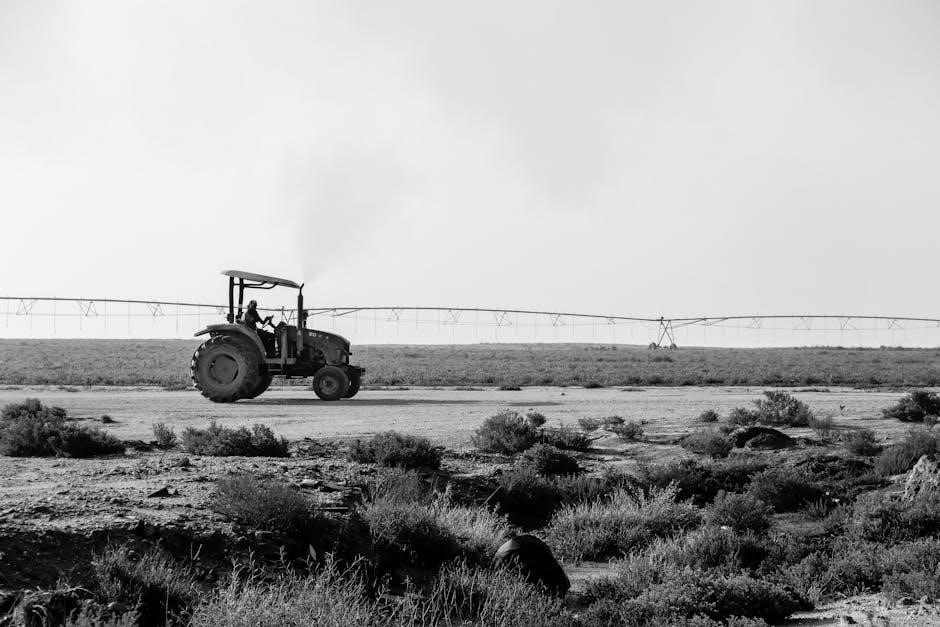
Manual irrigation represents the oldest and most fundamental approach to crop watering, predating modern automated systems by millennia. Essentially, it’s the direct application of water to plants by human effort, becoming essential when natural precipitation is inadequate for healthy growth. This method relies on readily available water sources – rivers, lakes, and wells – often transported via simple channels or portable containers.
While seemingly basic, manual irrigation remains vitally important, particularly in regions where resources are limited or infrastructure for automated systems is lacking; It offers a low-tech, accessible solution for small-scale farmers and gardeners. However, it’s significantly more labor-intensive than automated alternatives, demanding considerable time and physical exertion for effective water distribution. Understanding its principles is key to appreciating the evolution of irrigation techniques.
Historical Context of Manual Irrigation
Manual irrigation boasts a history stretching back thousands of years, coinciding with the dawn of agriculture in ancient civilizations. Early evidence suggests its practice in Mesopotamia, Egypt, and the Indus Valley, where communities developed basic systems to divert water from rivers to sustain crops. These initial methods involved simple hand-carried vessels and rudimentary canals constructed with minimal tools.
Over centuries, techniques evolved, with the development of more sophisticated channels and the utilization of gravity-fed systems. Indigenous cultures worldwide independently discovered and refined manual irrigation practices, adapting them to local environments and crop needs. While automation gradually emerged, manual methods remained dominant for centuries, shaping agricultural landscapes and supporting population growth. It represents the foundational step in humanity’s quest to control water for food production.
The Role of Manual Irrigation in Modern Agriculture
Despite advancements in automated irrigation, manual systems retain a significant role in modern agriculture, particularly for small-scale farms, home gardens, and regions with limited access to technology or electricity. Manual irrigation offers a cost-effective solution where large infrastructure investments are impractical. It provides precise control over water application, allowing farmers to tailor watering to individual plant needs, especially valuable for specialty crops.
Furthermore, manual methods complement automated systems, serving as a backup during equipment failures or for targeted watering in specific areas. While automated systems reduce labor, manual irrigation provides employment opportunities in certain contexts. Understanding its limitations – like higher labor demands – is crucial for effective implementation alongside modern techniques.
Types of Manual Irrigation Techniques
Common techniques include flood, furrow, and basin irrigation, utilizing gravity to distribute water across fields, requiring careful land preparation and water management skills.
Flood Irrigation: Principles and Applications
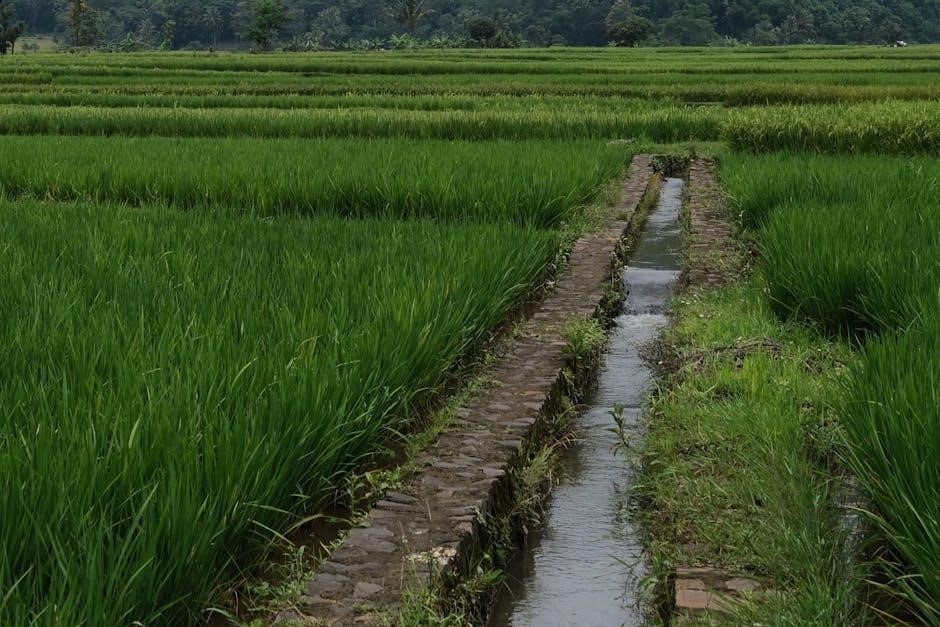
Flood irrigation, a historically significant manual technique, involves releasing water across the land surface, allowing it to soak into the soil. This method relies on a relatively flat field and a sufficient water supply, often diverted from rivers or lakes. While simple to implement, requiring minimal equipment beyond channels and potentially pumps, it’s known for its lower water efficiency compared to more modern systems.
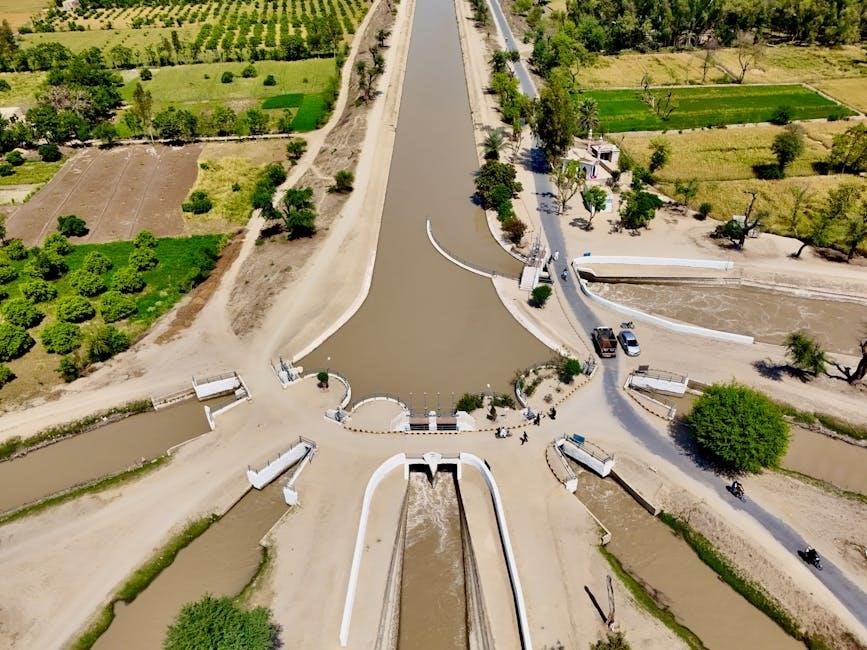
The principle centers around saturating the soil, ensuring all plants receive moisture. However, significant water loss occurs through evaporation and runoff. Applications are best suited for close-growing crops like rice and pasture, and for soils with limited infiltration rates. Careful land leveling is crucial to ensure even water distribution and prevent waterlogging in certain areas. Despite its inefficiencies, flood irrigation remains prevalent in regions with abundant water and limited resources for advanced systems.
Furrow Irrigation: Design and Implementation
Furrow irrigation, a refined manual method, directs water down small channels (furrows) between crop rows. This technique offers improved water distribution compared to flood irrigation, though still requires careful management. Design involves determining furrow length, slope, and flow rate to ensure uniform wetting. Soil type significantly impacts implementation; heavier soils require shorter furrows and slower flow rates to prevent runoff.
Implementation typically involves creating a level field with precisely graded furrows. Water is then introduced at the head of each furrow, flowing downhill via gravity. Labor is needed to monitor flow and prevent erosion. While more efficient than flooding, water loss through evaporation and deep percolation remains a concern. Furrow irrigation is well-suited for row crops like corn, potatoes, and vegetables, offering a balance between simplicity and effectiveness.
Basin Irrigation: Suitability and Considerations
Basin irrigation, a manual technique, involves flooding small, level areas (basins) enclosed by earthen bunds. This method is best suited for relatively flat land and soils with low infiltration rates, minimizing water loss. Orchard crops and pastures often benefit from basin irrigation due to its simplicity and ability to deliver substantial water volumes. Careful land preparation is crucial, ensuring basins are level to promote even water distribution.
Considerations include water source availability and control; Managing water flow to prevent runoff and erosion is essential, requiring attentive labor. While effective for certain crops and terrains, basin irrigation can be less water-efficient than other methods due to evaporation and uneven wetting. Proper basin design and diligent monitoring are key to maximizing its benefits and minimizing water waste.
Components of a Basic Manual Irrigation System
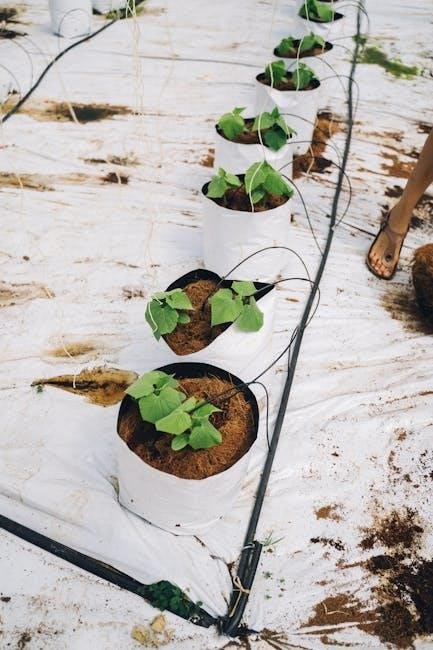
Essential components include water sources – rivers, lakes, or wells – alongside pipes, channels, and handheld tools like hoses for effective water distribution.
Water Sources for Manual Irrigation (Rivers, Lakes, Wells)
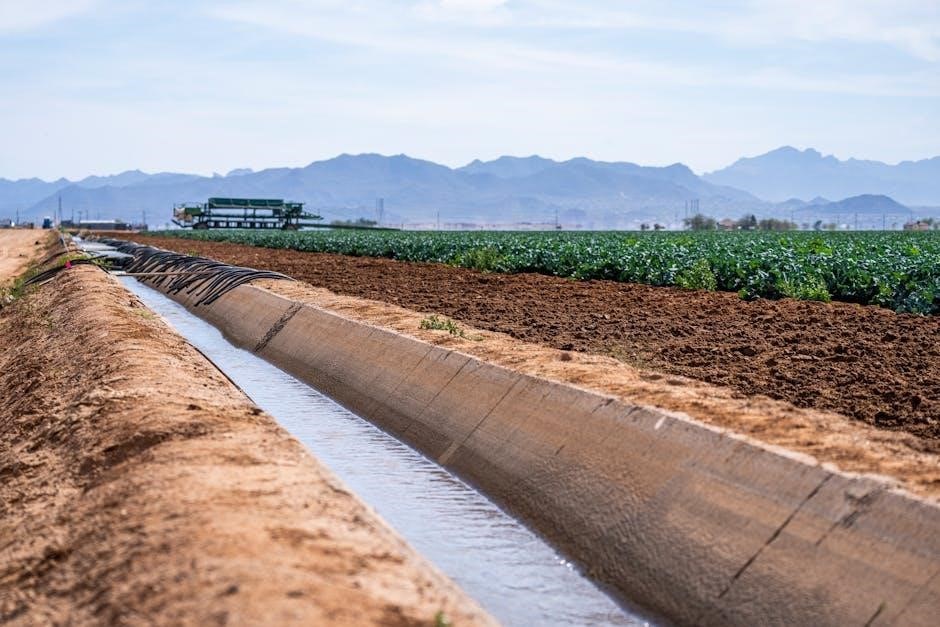
Access to a reliable water source is fundamental for any manual irrigation system. Historically, and continuing today, rivers and lakes serve as primary sources, often utilizing gravity to deliver water to fields through open canals or constructed channels. This method, while cost-effective, can be susceptible to water availability fluctuations and potential contamination.
Wells offer a more controlled, though potentially more expensive, alternative. Pumping water from wells requires energy – initially manual, now often mechanized – but provides a consistent supply independent of surface water levels. The suitability of wells depends on groundwater availability and the depth required for extraction. Careful consideration of water rights and sustainable usage is crucial when relying on wells for irrigation, ensuring long-term viability for agricultural practices.
Pipes and Channels: Materials and Construction
Efficient water conveyance in manual systems relies on well-constructed pipes and channels. Historically, open earthen channels were common, but these suffer from significant water loss through seepage and evaporation; Modern manual systems increasingly utilize pipes made from materials like PVC, polyethylene, or even bamboo in resource-limited settings.
Pipe construction involves careful jointing to prevent leaks, and proper sizing to maintain adequate water flow. Channels, when necessary, can be lined with clay, concrete, or plastic sheeting to reduce seepage. The design must account for terrain, minimizing elevation changes to maximize gravity flow. Regular maintenance – clearing debris and repairing damage – is essential to ensure the longevity and efficiency of these vital components of the irrigation infrastructure.
Handheld Tools for Water Distribution (Hoses, Sprinklers)
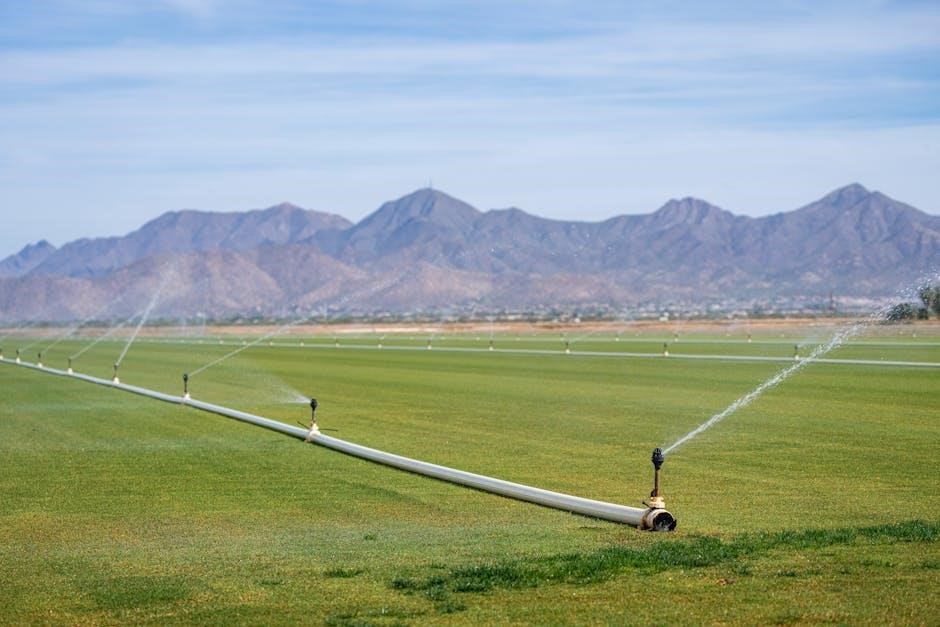
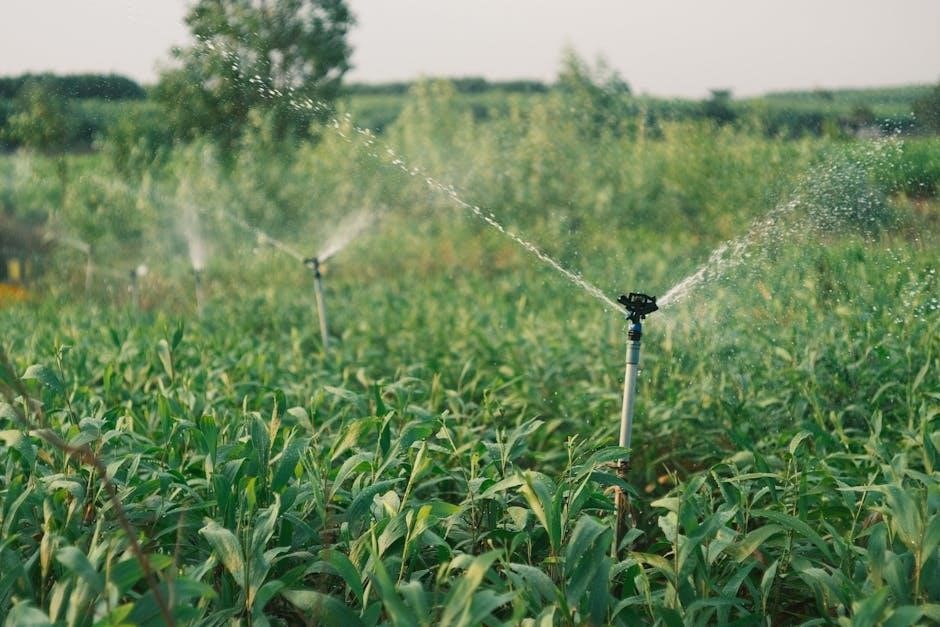
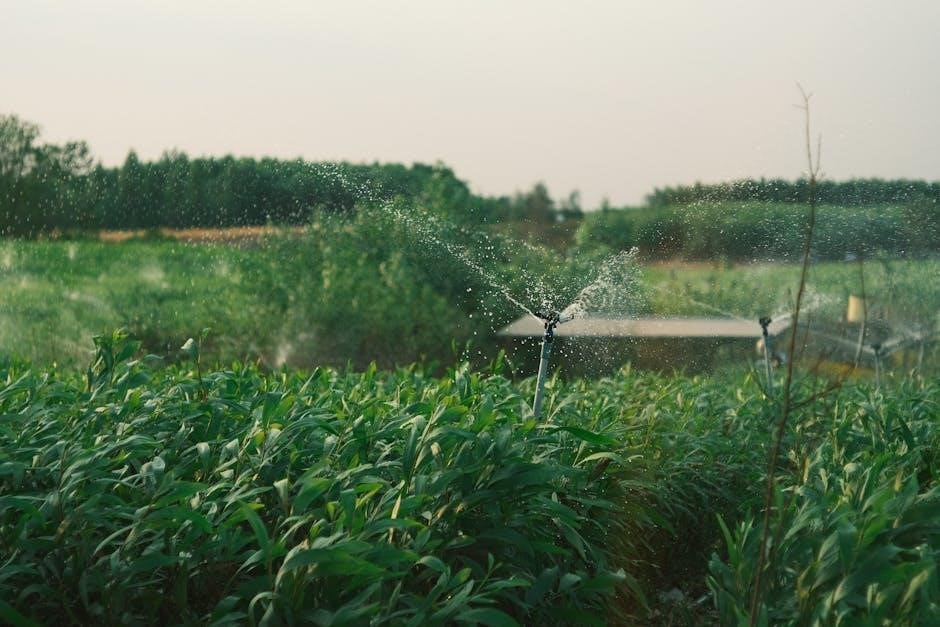
Manual irrigation frequently employs handheld tools for precise water delivery. Hoses, available in various lengths and diameters, allow targeted watering of individual plants or small areas. Their flexibility is a key advantage, adapting to diverse garden layouts. Sprinklers, attached to hoses, offer broader coverage, mimicking rainfall and efficiently irrigating larger patches of land.
Choosing the right sprinkler type – oscillating, rotating, or impact – depends on the area’s shape and water pressure. While simple, these tools require physical effort and time. Proper hose storage prevents kinks and damage, extending their lifespan. Combining hoses and sprinklers provides a versatile approach, balancing control and coverage for effective manual watering practices.
Advantages and Disadvantages of Manual Irrigation
Manual irrigation is cost-effective but labor-intensive; automated systems reduce labor needs and water waste by 20-40%, offering precision and savings.
Cost-Effectiveness of Manual Systems
Manual irrigation presents a compelling initial cost advantage, particularly for small-scale farmers or gardeners. The primary expense lies in basic tools – hoses, sprinklers, and potentially pumps – which are significantly cheaper than installing automated systems with timers, sensors, and complex piping. This affordability makes it accessible in regions with limited capital.
However, a comprehensive cost analysis must consider long-term labor expenses. While the upfront investment is low, the continuous need for manual operation translates into substantial labor costs, especially on larger properties. Automated systems, despite their higher initial price, can lead to significant cost savings over time by reducing the reliance on manual labor and optimizing water usage. Ultimately, the cost-effectiveness of a manual system depends heavily on the scale of operation and the value placed on labor resources.
Labor Requirements and Associated Costs
Manual irrigation is inherently labor-intensive, demanding significant time and physical effort for water distribution. Farmers and horticulturists must dedicate considerable hours to monitoring soil moisture, operating hoses or sprinklers, and adjusting water flow – time that could be allocated to other crucial farm tasks. This reliance on manual labor directly impacts operational costs.
The associated costs extend beyond wages; they include potential for worker fatigue, reduced efficiency, and the need for a larger workforce, especially during peak seasons. Reducing the need for manual labor through automation frees up personnel for more strategic activities. While seemingly straightforward, manual irrigation’s labor demands can quickly escalate, making it a substantial expense, particularly in areas with high labor rates.
Water Usage Efficiency Compared to Automated Systems
Manual irrigation generally exhibits lower water usage efficiency compared to modern, automated systems. Without precise timing and sensor-based control, significant water wastage is common due to overwatering, uneven distribution, and runoff. Automated systems, leveraging features like rain sensors, can reduce water waste by 20-40%.
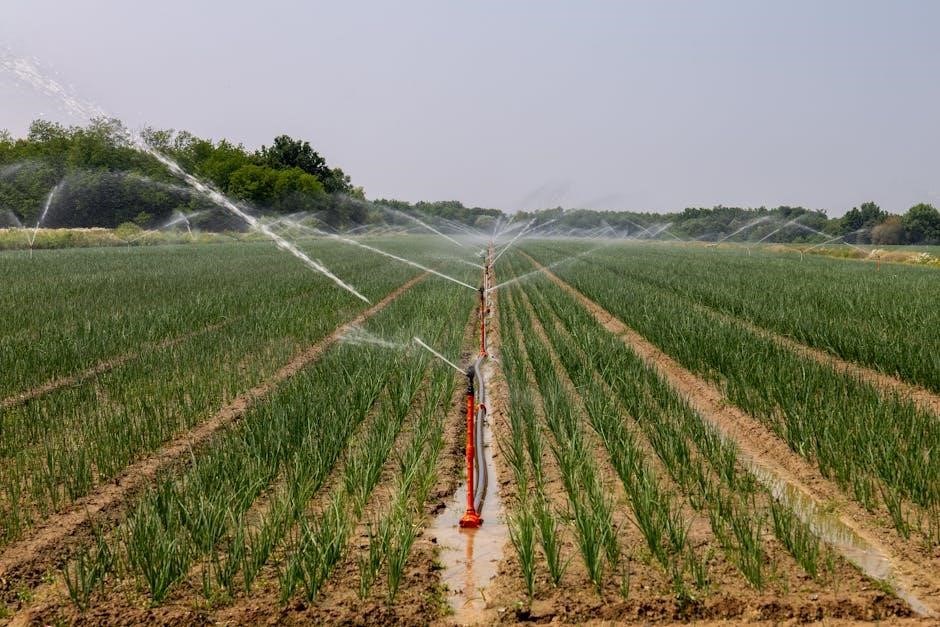
The lack of precision in manual methods means water isn’t always delivered directly to plant roots, leading to evaporation and inefficient absorption. While manual systems can be effective, they require skilled observation and adjustment to minimize waste. Automated systems deliver precise amounts through programmed schedules, optimizing water use and conserving this vital resource, offering a substantial advantage over traditional manual approaches.
Manual Irrigation in Specific Climates & Regions
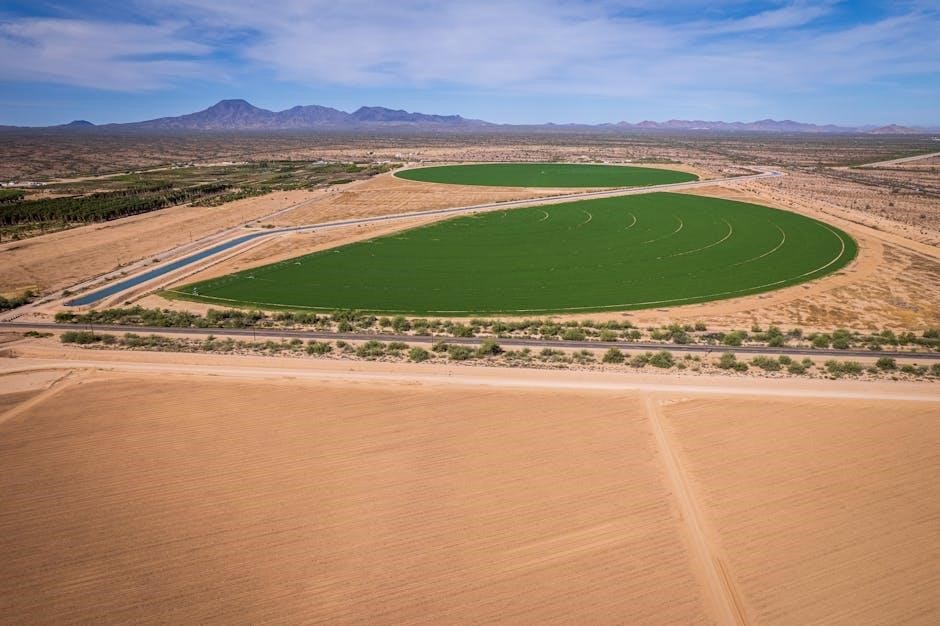
Manual irrigation faces challenges in hot, dry climates like Moses Lake, demanding consistent moisture during stressful summers and winter freeze protection measures.
Adapting to Hot, Dry Climates (e.g., Moses Lake)
In regions experiencing hot, dry summers, such as Moses Lake, manual irrigation demands careful planning and execution. Plants require consistent moisture to combat heat stress, yet water resources can be limited. Effective adaptation involves strategic watering schedules, prioritizing plants most vulnerable to drought.
Watering deeply but less frequently encourages robust root development, enhancing plant resilience. Manual systems necessitate diligent monitoring of soil moisture levels to prevent both under and overwatering. When temperatures consistently exceed 90 degrees Fahrenheit, increased watering frequency is crucial, potentially requiring multiple applications throughout the day. Shade cloth or other protective measures can further reduce water demand by minimizing evaporation and heat stress. Careful consideration of these factors is vital for successful manual irrigation in arid environments.
Winterization and Freeze Protection
As winter approaches, safeguarding manual irrigation systems against freezing temperatures is paramount. Water expands when frozen, potentially causing burst pipes and damaged components. Thoroughly draining all pipes, hoses, and sprinklers is the first critical step. Disconnect and store handheld tools indoors to prevent cracking or splitting.
For systems utilizing pumps, ensure they are completely drained and protected from the elements. Insulating exposed pipes with foam or heat tape provides an additional layer of defense. Consider burying pipelines below the frost line for long-term freeze protection. Regularly inspect systems for leaks or damage after periods of freezing weather. Proactive winterization minimizes costly repairs and ensures a functional system when spring arrives.
Considerations for Different Soil Types
The effectiveness of manual irrigation is significantly influenced by soil type. Sandy soils drain rapidly, requiring more frequent, shorter watering sessions to prevent moisture loss. Clay soils, conversely, retain water well but can become compacted, hindering absorption; therefore, slower, deeper watering is preferable.
Loamy soils, a balanced mix, offer optimal drainage and retention, allowing for versatile irrigation approaches. Understanding soil permeability dictates the application rate. For instance, furrow irrigation works well with clay, while sprinkler systems suit sandy soils. Regularly assess soil moisture levels to adjust watering schedules. Amending soil with organic matter improves water-holding capacity and overall irrigation efficiency, regardless of the initial soil composition.
Integrating Manual Irrigation with Other Techniques
Combining manual irrigation with fertigation ensures efficient nutrient delivery, while integrating it with automated systems offers a balanced approach to water management.
Manual Irrigation and Fertigation
Fertigation, the simultaneous delivery of water and fertilizers, significantly enhances nutrient uptake when paired with manual irrigation techniques. This method ensures a more even distribution of essential nutrients directly to the plant roots, minimizing waste and maximizing efficiency. Unlike broadcast application, fertigation through manual systems allows for precise control over fertilizer concentration and timing, tailored to specific crop needs and growth stages.
By dissolving fertilizers in the irrigation water, farmers can bypass soil-related issues that hinder nutrient absorption. This is particularly beneficial in challenging soil types or when addressing specific nutrient deficiencies. Manual fertigation requires careful monitoring of fertilizer rates and water flow to avoid over-fertilization or uneven application, but the benefits of improved plant health and yield often outweigh the added effort.
Combining Manual and Automated Methods
Integrating manual and automated irrigation offers a pragmatic approach, leveraging the strengths of both systems. Automated systems, like timers and sensors, can handle baseline water distribution, reducing overall labor demands and ensuring consistent coverage. However, manual intervention remains valuable for addressing localized needs, supplementing automated systems during peak demand, or managing areas inaccessible to automated infrastructure.
This hybrid approach allows farmers to capitalize on the cost-effectiveness of manual methods for smaller plots or specific crops, while benefiting from the precision and efficiency of automation on larger scales. For example, automated drip irrigation can be supplemented with manual spot-watering for plants exhibiting stress. Such flexibility optimizes water usage, minimizes waste, and provides a tailored irrigation strategy responsive to dynamic field conditions.