
Understanding Sacroiliac (SI) Joint Pain
Many resources, including chiropractors like Spine Align Chiropractic Center in Greenville, NC, offer free SI joint pain exercise PDFs. These guides provide step-by-step instructions
for relief, focusing on exercises designed to stabilize and strengthen the surrounding muscles, ultimately reducing discomfort and improving function.
What is the SI Joint?
The sacroiliac (SI) joint is a crucial connector, linking the sacrum – a triangular bone at the base of your spine – to the iliac bones of your pelvis. While often overlooked, this joint plays a vital role in weight bearing and transferring forces from your upper body to your lower limbs. It’s designed for stability, allowing limited motion, but dysfunction can occur, leading to pain.
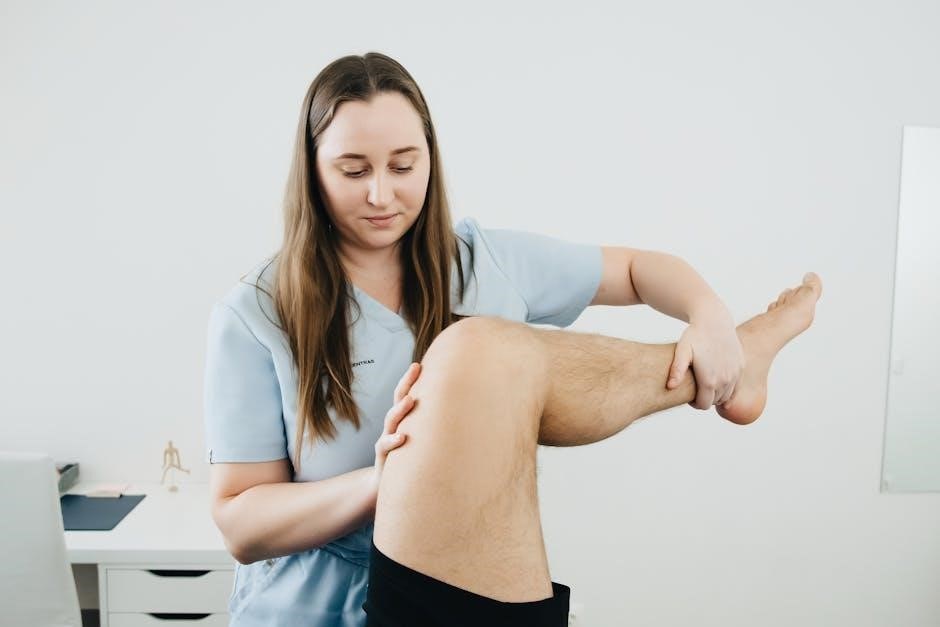
Understanding its function is key when considering exercises for SI joint pain, as many PDFs focus on restoring proper mechanics. These exercises aim to improve stability and reduce stress on the joint. Resources, such as those offered by chiropractic centers, emphasize that addressing SI joint issues often requires a targeted approach, and downloadable guides provide a structured exercise program for home use.
Causes of SI Joint Pain
Several factors can contribute to SI joint pain, ranging from trauma like falls or car accidents to repetitive stress and even pregnancy. Hormonal changes during pregnancy can loosen ligaments, increasing joint instability. Leg length discrepancies or pre-existing spinal conditions can also play a role. Many free exercise PDFs available online address these underlying causes by focusing on strengthening core and gluteal muscles.
These downloadable guides often highlight that exercises aren’t just about relieving symptoms; they’re about correcting imbalances. Chiropractors, like those at Spine Align Chiropractic Center, often recommend specific exercises to improve pelvic alignment and reduce strain on the SI joint. Understanding the root cause, as outlined in these PDFs, is crucial for effective, long-term pain management.
Symptoms of SI Joint Pain
SI joint pain often manifests as a dull, aching pain in the lower back, buttocks, or even down the leg, mimicking sciatica. Pain can be sharp and localized, or more diffuse and widespread. Many individuals experience difficulty with activities like walking, standing for long periods, or climbing stairs. Free exercise PDFs frequently emphasize identifying these specific pain patterns to tailor the exercise program effectively.
These downloadable resources often detail how exercises can alleviate symptoms by improving joint mechanics and reducing muscle spasms. They highlight that pain may worsen with certain movements, and the exercises aim to restore normal motion. Resources from practices like Spine Align Chiropractic Center often include self-assessment tools within the PDF to help individuals pinpoint their specific symptoms and choose appropriate exercises.

Diagnosis of SI Joint Dysfunction
Accurate diagnosis is crucial before starting any exercise program; PDFs often recommend consulting a healthcare professional for proper evaluation and guidance.
Physical Examination
A thorough physical examination is the cornerstone of diagnosing SI joint dysfunction, often preceding recommendations for exercise programs found in PDFs. Healthcare professionals will assess your range of motion, palpate the SI joint for tenderness, and perform specific orthopedic tests designed to provoke pain and identify the source of your discomfort. These tests help differentiate SI joint pain from other potential causes of lower back and pelvic pain, such as disc issues or muscle strains.
The examination may involve assessing your gait, posture, and how you move during functional activities. Understanding these movement patterns helps determine which muscles are contributing to the instability or pain in the SI joint. Before embarking on any exercise routine detailed in a PDF guide, a professional assessment ensures the exercises are appropriate for your specific condition and won’t exacerbate your symptoms.
Diagnostic Injections
Diagnostic injections play a crucial role in confirming SI joint dysfunction, often guiding the selection of exercises detailed in downloadable PDFs. A local anesthetic is injected directly into the SI joint under fluoroscopic guidance (X-ray). If the injection significantly reduces your pain, it strongly suggests the SI joint is the primary source of your discomfort. This confirmation is vital before initiating a specific exercise program.
It’s important to note that a positive response to an injection doesn’t automatically mean the SI joint is the only problem, but it helps pinpoint it as a significant contributor. Following a positive diagnostic injection, a healthcare professional can tailor an exercise plan, potentially utilizing resources like SI joint pain exercise PDFs, to address the underlying instability and strengthen supporting muscles. These PDFs often complement the injection’s pain relief by promoting long-term stability.
Imaging Tests (X-rays, MRI)
While imaging tests like X-rays and MRIs aren’t always definitive for diagnosing SI joint pain, they help rule out other potential causes, informing the exercise selection found in many SI joint pain exercise PDFs. X-rays can reveal structural abnormalities or arthritis in the joint. However, SI joint dysfunction often doesn’t show up clearly on standard X-rays.
MRI provides a more detailed view of the soft tissues surrounding the SI joint, potentially identifying inflammation or ligament damage. These findings can help determine the appropriate exercises to include in a rehabilitation program, as detailed in downloadable PDF guides. It’s crucial to remember that a normal MRI doesn’t necessarily exclude SI joint pain; often, the diagnosis relies more on clinical examination and diagnostic injections, guiding the use of targeted exercises from these PDFs.
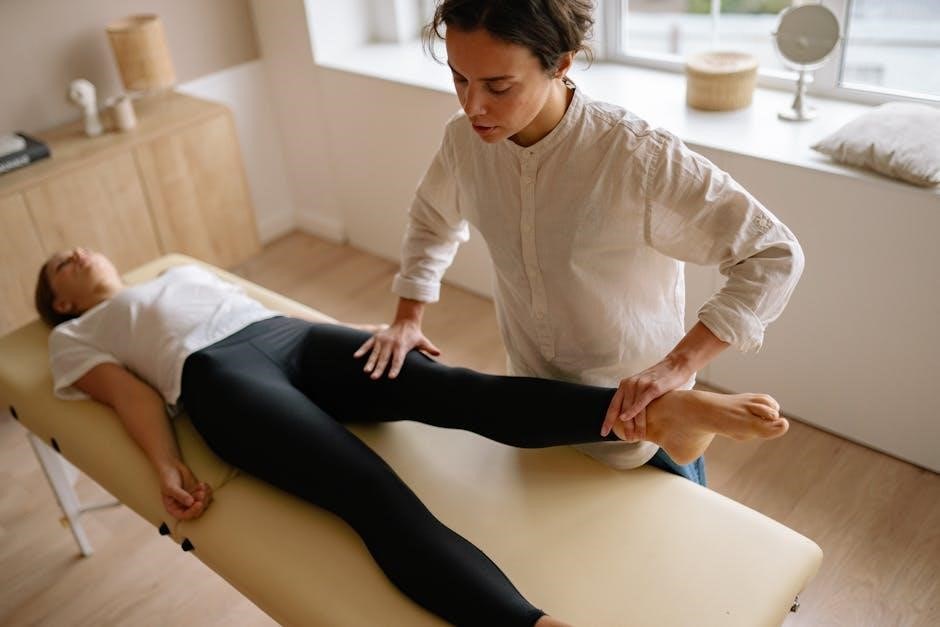
Home Exercise Program for SI Joint Pain (PDF Focus)
Numerous free PDF guides detail SI joint exercises, offering structured programs for pain relief. These resources, like those from Spine Align Chiropractic, provide accessible, step-by-step instructions.
Availability of Free PDF Guides
Fortunately, a wealth of free PDF guides detailing exercises for sacroiliac (SI) joint pain are readily available online. Chiropractic centers, such as Spine Align Chiropractic Center in Greenville, NC, proactively offer these resources to patients and the public. These PDFs serve as valuable tools, providing a structured approach to managing SI joint dysfunction from the comfort of your home.
These downloadable guides typically include detailed illustrations and clear, concise instructions for each exercise. They are designed to be accessible to individuals with varying levels of fitness and experience. The content often emphasizes proper form and technique to maximize effectiveness and minimize the risk of injury.
Searching online for “SI joint pain exercises PDF” will yield numerous results, allowing you to compare different programs and find one that best suits your needs. Remember to consult with a healthcare professional before starting any new exercise regimen.
Key Exercises Included in Typical PDFs
Most SI joint pain exercise PDFs emphasize a core set of movements designed to restore stability and alleviate discomfort. Common exercises frequently featured include pelvic tilts, which gently mobilize the SI joint and improve muscle control. Knee-to-chest stretches are also prevalent, targeting the lower back and hips to relieve tension.
Furthermore, PDFs often incorporate the piriformis stretch, addressing potential muscle imbalances that can contribute to SI joint pain. Hamstring stretches are included to improve flexibility and reduce strain on the pelvis. Strengthening exercises, such as gluteal muscle work and bridging, are vital for supporting the SI joint.
Many guides also detail hip abduction exercises and the “pelvic clock” exercise, promoting controlled movement and enhancing joint awareness. These exercises collectively aim to improve biomechanics and reduce pain.

Specific Exercises for SI Joint Pain Relief
PDF guides detail exercises like pelvic tilts, knee-to-chest stretches, piriformis stretches, hamstring stretches, and gluteal strengthening, all aimed at restoring proper SI joint function.
Pelvic Tilts
Pelvic tilts are a foundational exercise frequently included in SI joint pain PDF guides, serving as a gentle introduction to core and pelvic muscle engagement. To perform a pelvic tilt, lie on your back with your knees bent and feet flat on the floor.
Focus on flattening your lower back against the floor by tightening your abdominal muscles and gently tilting your pelvis upward. Hold this position for a few seconds, then relax and allow a small natural arch to return to your lower back.
Repeat this tilting motion rhythmically, focusing on controlled movements rather than large, forceful contractions. This exercise helps improve awareness of pelvic positioning and strengthens the muscles responsible for stabilizing the SI joint, contributing to pain reduction and improved function. PDFs often recommend performing several sets of 10-15 repetitions.
Knee-to-Chest Stretches
Knee-to-chest stretches are a common inclusion in SI joint pain exercise PDFs, designed to gently mobilize the lower back and hips, relieving tension around the sacroiliac joint. Begin by lying on your back with your knees bent and feet flat on the floor.

Slowly bring one knee towards your chest, clasping your hands behind your thigh or over your shin. Gently pull the knee closer, feeling a stretch in your lower back and hip. Hold this stretch for 20-30 seconds, breathing deeply.
Repeat with the other leg, and then consider performing the stretch with both knees simultaneously. This variation can provide a more comprehensive stretch. PDF guides emphasize maintaining a relaxed lower back throughout the exercise and avoiding any sharp pain. Typically, 2-3 repetitions per leg are recommended.
Piriformis Stretch
Piriformis stretches frequently appear in SI joint pain exercise PDFs, as a tight piriformis muscle can irritate the sciatic nerve and contribute to lower back and buttock pain. One common method involves lying on your back with knees bent and feet flat;
Cross the affected leg over the opposite knee, forming a figure-four shape. Gently pull the thigh of the bottom leg towards your chest, holding behind the thigh or over the shin. You should feel a stretch deep in the buttock of the crossed leg.
Hold the stretch for 20-30 seconds, breathing deeply. Some PDFs suggest performing this stretch while seated, leaning forward to intensify the stretch. Maintaining proper form and avoiding overstretching are crucial, as emphasized in downloadable guides. Repeat 2-3 times on each side.
Hamstring Stretches
Hamstring flexibility is often addressed in SI joint pain exercise PDFs, as tight hamstrings can pull on the pelvis, exacerbating SI joint dysfunction. A frequently recommended stretch is the towel hamstring stretch. Lie on your back with one leg extended towards the ceiling.
Loop a towel or strap around the ball of your foot. Gently pull on the towel, keeping your leg as straight as comfortably possible. You should feel a stretch along the back of your thigh. Avoid locking your knee.
Hold the stretch for 20-30 seconds, maintaining a relaxed posture. Some PDFs illustrate variations, like performing the stretch seated or standing. Proper form is vital to prevent injury, and guides often emphasize controlled movements. Repeat 2-3 times on each leg.
Gluteal Muscle Strengthening
SI joint pain exercise PDFs consistently emphasize gluteal muscle strengthening, as strong glutes provide crucial support and stability to the pelvis. A common exercise detailed in these guides is the glute bridge. Lie on your back with knees bent and feet flat on the floor, hip-width apart.
Engage your core and glutes, then lift your hips off the floor, creating a straight line from your shoulders to your knees. Squeeze your glutes at the top of the movement.
Hold for a few seconds, then slowly lower your hips back down. PDFs often suggest variations, such as single-leg glute bridges for increased challenge. Proper form—avoiding arching the lower back—is highlighted. Perform 2-3 sets of 10-15 repetitions.
Bridging Exercises
Bridging is a foundational exercise frequently included in SI joint pain exercise PDFs, designed to enhance pelvic and core stability. To perform a bridge, lie on your back with your knees bent and feet flat on the floor, positioned hip-width apart. Ensure your back remains relatively flat against the surface.
Initiate the movement by engaging your gluteal muscles and core. Gently lift your hips off the floor, creating a straight line from your shoulders to your knees. Avoid overextending your lower back during the lift.
Hold this elevated position for several seconds, consciously squeezing your glutes. Slowly and with control, lower your hips back to the starting position. Most PDFs recommend 2-3 sets of 10-15 repetitions.
Hip Abduction Exercises
Hip abduction exercises are commonly featured in SI joint pain exercise PDFs, aiming to strengthen the gluteus medius – a key muscle for pelvic stabilization. These exercises help control movement and reduce stress on the SI joint.
A simple variation involves lying on your side with your legs extended. Keeping your top leg straight, slowly lift it towards the ceiling, maintaining control throughout the movement. Avoid rotating your hip forward or backward.
Focus on engaging your gluteal muscles during the lift. Hold the elevated position briefly, then slowly lower your leg back to the starting position. Many PDFs suggest performing 2-3 sets of 10-15 repetitions on each side. Resistance bands can be added for increased challenge.
Pelvic Clock Exercises
Pelvic clock exercises are frequently included in SI joint pain exercise PDFs as a gentle yet effective way to improve pelvic mobility and control. This exercise helps restore normal movement patterns within the sacroiliac joint, reducing pain and stiffness.
Lie on your back with your knees bent and feet flat on the floor. Imagine a clock face around your pelvis. Slowly tilt your pelvis to mimic the movements of a clock hand, moving from 12 o’clock (neutral), to 3 o’clock (right side tilt), 6 o’clock (posterior tilt), and 9 o’clock (left side tilt).
Focus on small, controlled movements. Many PDFs recommend performing 10-15 repetitions in each direction, emphasizing smooth transitions. This exercise promotes awareness of pelvic positioning and improves muscle coordination.
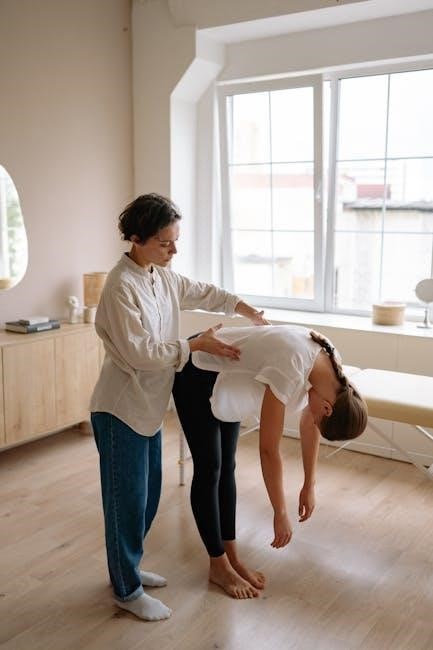
Advanced Exercises & Considerations
SI joint pain PDFs often progress to single leg stance and core stabilization, building upon foundational exercises for enhanced stability and functional movement patterns.
Single Leg Stance
Single leg stance exercises, frequently detailed within SI joint pain PDFs, are crucial for enhancing pelvic and core stability. Begin by standing near a stable surface for support, if needed. Slowly lift one foot off the ground, maintaining a slight bend in the standing knee.
Focus on keeping your pelvis level and avoiding any tilting or dropping on the lifted side. Hold this position for 10-30 seconds, gradually increasing the duration as your strength improves. Repeat several times on each leg.
This exercise challenges your body to control movement and maintain balance, strengthening the muscles responsible for supporting the SI joint. Modifications include performing the stance with eyes closed (advanced) or on an unstable surface like a foam pad.
Core Stabilization Exercises
Core stabilization exercises are a cornerstone of most SI joint pain PDF programs, aiming to reinforce the muscles that support the lower back and pelvis. These exercises aren’t about building “six-pack” abs, but rather engaging deep core muscles for functional stability.

Common examples include drawing-in maneuvers (gently pulling your navel towards your spine) and abdominal bracing (tightening your abdominal muscles as if preparing for a punch). These can be performed lying down, seated, or even while standing.
Progress to more challenging exercises like bird-dogs (extending opposite arm and leg while maintaining a neutral spine) and dead bugs. Consistent core work helps to reduce stress on the SI joint and improve overall movement patterns, contributing to long-term pain relief.

Important Considerations During Exercise
SI joint pain exercise PDFs emphasize listening to your body and stopping if pain increases; proper form is crucial, alongside consistent, gentle repetitions for optimal results.
Pain Management & Listening to Your Body
When utilizing SI joint pain exercise PDFs, a cornerstone principle is prioritizing pain management and attentively listening to your body’s signals. It’s absolutely vital to understand that discomfort is not synonymous with progress. A slight stretch or muscle fatigue is acceptable, but any sharp, radiating, or significantly increasing pain warrants immediate cessation of the exercise.
These PDFs often stress a gradual approach, starting with a limited range of motion and fewer repetitions, progressively increasing as tolerance improves. Ignoring pain can exacerbate the condition and hinder recovery. Remember, the goal is to alleviate pain, not intensify it.
Pay close attention to how your body responds to each exercise and modify or discontinue any movement that provokes adverse reactions. Consulting with a healthcare professional, like a chiropractor, before starting any new exercise program is highly recommended, especially if you have pre-existing conditions.
Proper Form and Technique
SI joint pain exercise PDFs consistently emphasize the critical importance of proper form and technique to maximize effectiveness and minimize the risk of injury. Incorrect execution can not only fail to address the underlying dysfunction but also potentially aggravate the condition. Many guides include detailed illustrations or videos demonstrating the correct posture and movement patterns for each exercise.
Focus on engaging the correct muscle groups and maintaining a neutral spine throughout each repetition. Avoid compensating with other body parts to complete the movement. For example, during pelvic tilts, ensure the motion originates from the pelvis, not from arching or rounding the back.
If unsure about proper form, seeking guidance from a physical therapist or chiropractor is invaluable. They can provide personalized instruction and ensure you’re performing the exercises safely and effectively, optimizing your recovery journey.
Frequency and Repetitions
SI joint pain exercise PDFs typically recommend a gradual approach to frequency and repetitions, tailored to individual pain levels and tolerance. A common starting point involves performing each exercise 2-3 times daily, with 10-15 repetitions per set. However, this is a general guideline, and adjustments may be necessary.
It’s crucial to listen to your body and avoid pushing through significant pain. Begin with fewer repetitions and gradually increase the number as your strength and flexibility improve. Consistency is key; regular exercise, even in small increments, is more beneficial than sporadic, intense sessions.
Some PDFs suggest incorporating these exercises into a daily routine, while others recommend alternating between different exercises to target various muscle groups. Remember to prioritize quality over quantity, focusing on maintaining proper form throughout each repetition.

When to Seek Professional Help
If exercises from a PDF don’t provide relief, or pain worsens, consulting a chiropractor or exploring physical therapy options is advisable for personalized guidance.
Consulting a Chiropractor
Chiropractors, like those at Spine Align Chiropractic Center in Greenville, NC, specialize in diagnosing and treating SI joint dysfunction. They can provide a comprehensive assessment to determine if your pain originates from the SI joint and develop a tailored treatment plan. This often includes specific exercises, similar to those found in SI joint pain exercise PDFs, but customized to your individual needs and biomechanics.
A chiropractor will not only prescribe exercises but also ensure proper form and technique to maximize effectiveness and prevent further injury. They may utilize manual therapies, such as adjustments, to restore proper joint movement and reduce muscle tension. Downloading a free PDF is a great starting point, but a chiropractor offers the benefit of hands-on care and personalized guidance, ensuring you’re performing the exercises correctly and progressing safely towards pain relief and improved function.
Physical Therapy Options
Physical therapy offers a structured approach to SI joint pain management, often complementing exercises found in downloadable PDFs. A physical therapist will conduct a thorough evaluation to identify specific muscle imbalances and movement patterns contributing to your pain. They’ll then design a progressive exercise program, building upon foundational movements like pelvic tilts and knee-to-chest stretches, often detailed in freely available guides.
Beyond exercise prescription, physical therapists employ various techniques like manual therapy, soft tissue mobilization, and postural correction. They’ll educate you on proper body mechanics to prevent re-injury and empower you to manage your condition long-term. While a PDF provides a starting point, a physical therapist offers personalized instruction, monitors your progress, and adapts the program as needed, ensuring optimal outcomes and a safe return to activity.