
Understanding Keen Shoe Sizing: A Comprehensive Guide
Keen footwear presents unique sizing challenges due to the two-dimensional nature of shoe sizes versus our three-dimensional feet.
Variations in lasts, construction, and inconsistent labeling further complicate finding the perfect Keen fit, demanding careful consideration.
Keen footwear has gained immense popularity for its innovative designs and commitment to outdoor adventures, but navigating their sizing can be surprisingly complex. A fundamental issue lies in the limitations of traditional shoe sizing, which only accounts for length and width – failing to capture the full, three-dimensional shape of the human foot. This inherent simplification inevitably leads to discrepancies in fit.
Furthermore, Keen utilizes various “lasts” – the foot-shaped forms around which shoes are constructed – each offering different volumes and fits. A low-volume last may necessitate a different size compared to a high-volume one, even if length and width measurements are identical. Even within the same last, variations in shoe construction, like toe caps or heel counters, can significantly alter how a shoe feels and flexes, as seen with Keen’s Iron Ranger and Ice Cutter models.
Adding to the confusion, manufacturers often exhibit inconsistencies in size labeling, sometimes acknowledging their products run large or small without adjusting the stated size. This creates a frustrating disconnect between the labeled size and the actual fit, compounded by the chaotic landscape of international size conversions.
The Two-Dimensional Problem of Shoe Sizing
The core of the Keen sizing dilemma, and shoe sizing in general, stems from a fundamental flaw: attempting to fit a three-dimensional object – the human foot – into a two-dimensional measurement system. Standard shoe sizes only consider foot length and width, completely ignoring crucial aspects like instep height, foot volume, and individual foot shape variations. This simplification inherently introduces inaccuracies and potential discomfort.
Because our feet aren’t perfectly two-dimensional, a shoe built on a low-volume last will fit differently than one built on a higher-volume last, even if both share the same length and width measurements. Individuals with wider or higher-volume feet may need to “size up” to accommodate their foot’s fullness, while those with narrower feet might require a smaller size or seek out width options.
This limitation means shoe size is merely a starting point, not a definitive indicator of fit. It’s a logical beginning, but individual foot characteristics necessitate a more nuanced approach to finding the perfect Keen shoe.
Keen’s Lasts: Volume and Fit Variations
Keen utilizes various “lasts” – the foot-shaped forms around which shoes are constructed – each designed with different volumes and contours. These variations significantly impact how a Keen shoe will fit, even within the same stated size. A last with a higher volume accommodates wider feet and higher insteps more comfortably, while a lower-volume last suits narrower feet better.
Understanding these differences is crucial. Two Keen shoes of identical length and width can feel drastically different depending on the last used. For example, the Iron Ranger and Ice Cutter, both built on Red Wing’s number 8 last, exhibit distinct fits due to toe cap and heel counter construction.
Consequently, finding the right Keen shoe often involves experimenting with different models and sizes to identify the last that best matches your foot’s unique shape and volume. It’s not simply about length; it’s about the overall encompassing fit.
Impact of Shoe Construction on Keen Size Selection
Beyond the last, a Keen shoe’s construction profoundly influences fit and, therefore, size selection. Features like toe caps, heel counters, and overall stiffness alter how the shoe flexes and conforms to the foot. A robust toe cap, as seen in the Iron Ranger, reduces toe box flexibility, potentially requiring a slightly larger size for comfortable movement.
Conversely, a more flexible shoe, like the Ice Cutter, might feel comfortable in a true-to-size fit. High heel counters and backstays, providing enhanced support, can also affect how the shoe feels and may necessitate adjustments in sizing.

These construction elements interact with the last, creating a complex interplay that impacts the overall fit. Ignoring these nuances can lead to discomfort or an ill-fitting shoe, even if the length and width appear correct. Careful consideration is key.
Keen Iron Ranger vs. Ice Cutter: A Case Study
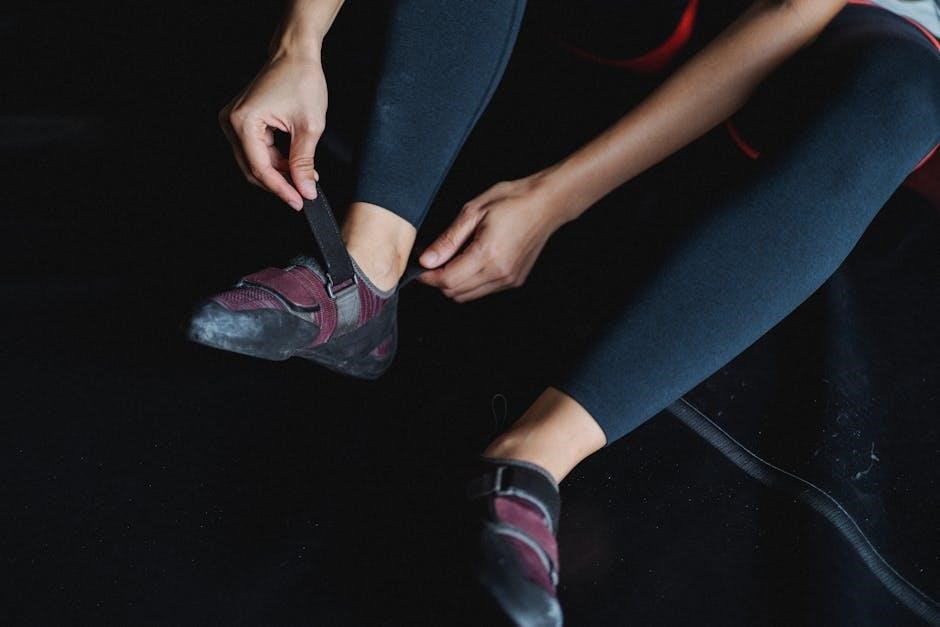
The Keen Iron Ranger and Ice Cutter, both built on the Red Wing number 8 last, exemplify how construction impacts sizing. Despite sharing the same last, their differing designs necessitate potentially different sizes for optimal fit. The Iron Ranger’s prominent toe cap and rigid heel counter restrict natural foot movement, often requiring a half-size down for a secure, comfortable feel.
In contrast, the Ice Cutter, with its more streamlined design and greater flexibility, typically fits true to size. This discrepancy highlights that relying solely on last number is insufficient.
A wearer might comfortably fit a size 9 Ice Cutter but require a size 8.5 Iron Ranger. This case study underscores the importance of considering specific shoe features alongside the last when determining the appropriate Keen size.
Manufacturer Inconsistencies in Keen Shoe Labeling
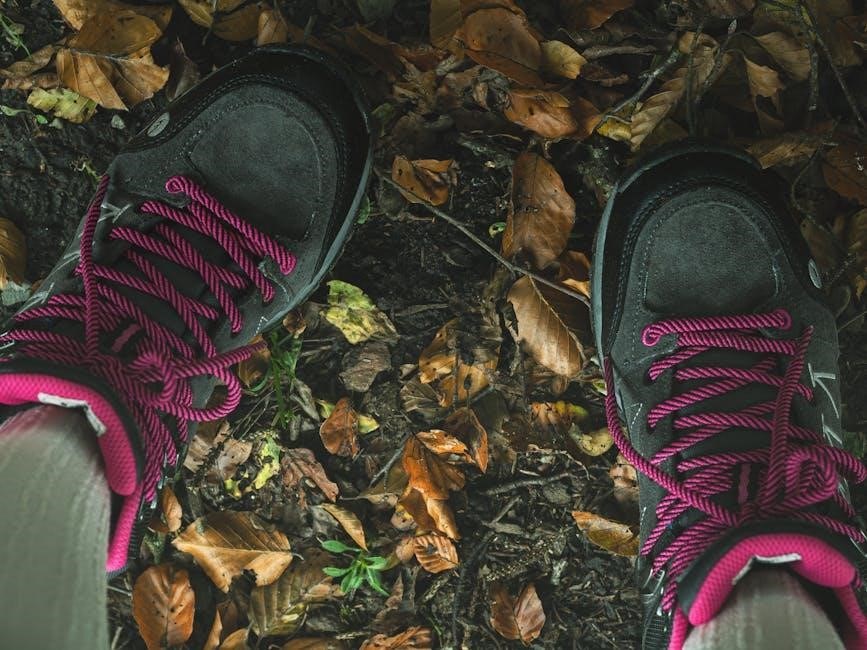
A frustrating aspect of Keen sizing is the frequent disconnect between labeled size and actual fit. Manufacturers often acknowledge sizing inconsistencies with statements like “Our boots run big, order down half a size,” yet continue to apply inaccurate labels. This practice is perplexing – why not simply label the boots correctly from the outset?
This suggests companies prioritize maintaining existing label sizes over providing accurate information to consumers. It forces buyers to rely on trial and error, or extensive research, to determine their correct Keen size.
Essentially, a size 9 label doesn’t guarantee a true size 9; it might represent a size 9.5, demanding a proactive approach to sizing from the purchaser.
Why Keen Sizes Can Seem Inaccurate
The perception of inaccurate Keen sizing stems from a confluence of factors beyond simple mislabeling. Shoe sizing fundamentally relies on only two dimensions – length and width – failing to account for the complex, three-dimensional shape of the human foot. This inherent limitation creates a baseline for potential fit issues.
Furthermore, even within the same Keen last (the foot-shaped form around which a shoe is built), variations in construction significantly impact fit. For example, the addition of a toe cap or a higher heel counter, as seen in models like the Iron Ranger versus the Ice Cutter, alters how the shoe flexes and feels, necessitating different sizes for optimal comfort.
Therefore, size isn’t a universal constant, but a starting point.
The Global Shoe Size Conversion Chaos
Navigating international shoe size conversions adds another layer of complexity to finding the correct Keen fit. The translation from US to UK to European sizes is notoriously inconsistent and unreliable, creating a veritable “omnishambles” of confusion for consumers. A size labeled as a US 9 might not directly correlate to a UK 8 or a European 42, leading to significant discrepancies.
This lack of standardization means relying solely on converted sizes is often ineffective. Individuals may find themselves needing to experiment with multiple sizes across different systems to achieve a comfortable and accurate fit. It’s not uncommon to own a range of sizes – from a UK 7.5 to a UK 10 – that all fit well, highlighting the inadequacy of simple conversions.
Shoe size is merely a logical starting point.
US to UK to European Size Conversions for Keen
While conversions offer a starting point, remember Keen sizing isn’t always predictable. Generally, a US men’s size 9 equates to a UK 8 and a European 42. For women, a US size 8 often corresponds to a UK 6 and a European 39. However, these are broad guidelines, and variations exist.

Due to manufacturer inconsistencies, relying solely on conversion charts is risky. A US size 9.5 might translate to a UK 9, but a Keen shoe labeled as such could actually fit like a US 10. Always consult Keen’s specific size chart, if available, and prioritize measuring your feet.
Consider that conversions are approximations. Individual foot shape and Keen’s specific last used will significantly impact the best fit. Don’t hesitate to order multiple sizes for comparison and utilize Keen’s return policy.

Specific Keen Shoe Categories and Sizing
Keen sizing varies across categories; hiking shoes prioritize comfort and traction, sandals need width consideration, and boots demand proper ankle support assessment.
Keen Hiking Shoes: Prioritizing Comfort and Traction
When selecting Keen hiking shoes, comfort and traction are paramount, especially for frequent hikers tackling varied terrain. Given that you’ll likely be covering significant distances – perhaps around 25 miles weekly, like many in the rocky Northeast US – a precise fit is crucial to prevent blisters and fatigue.

Consider that Keen’s construction, while prioritizing comfort, can sometimes necessitate a slightly different size than your standard footwear. Due to the volume of the last used, you might find needing to adjust your usual size. Prioritize trying on hiking shoes with the socks you intend to wear on the trail.
Pay attention to the toe box; ensure ample room for your toes to splay naturally, especially on descents. Heel slippage is a common issue, so a snug heel fit is essential. Don’t solely rely on size labels; individual foot shapes vary, and Keen’s sizing can sometimes be inconsistent. Utilize Keen’s fit guarantee to ensure optimal comfort and performance on your adventures.
Keen Sandals: Considerations for Width and Arch Support
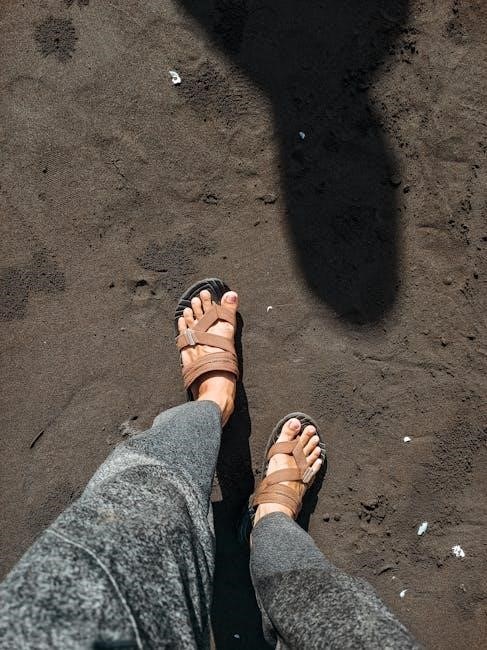
Keen sandals are renowned for their protective toe design and comfortable fit, but proper sizing requires attention to width and arch support. Unlike traditional sandals, Keen’s often feature a more substantial build, potentially impacting size selection. Individuals with wider feet will particularly benefit from Keen’s wide width options, ensuring a comfortable, non-restrictive fit.
When choosing Keen sandals, consider the intended use. For extended wear or walking, adequate arch support is vital. Assess whether the sandal’s contours align with your foot’s natural arch. Remember that feet tend to swell during warmer weather, so allow for some extra room.
Don’t assume your usual shoe size translates directly to Keen sandals. It’s advisable to measure your feet and consult Keen’s size chart, paying close attention to width measurements. Utilize Keen’s return policy if the initial fit isn’t perfect, prioritizing comfort and support for enjoyable wear.
Keen Boots: Addressing Ankle Support and Shaft Height
Keen boots, designed for varied terrains, demand careful consideration of ankle support and shaft height alongside standard length and width. The construction of boots, like the Keen Iron Ranger, significantly impacts fit; toe caps and heel counters alter how the boot flexes and feels compared to other models built on the same last. Ensuring adequate ankle support is crucial for stability, especially on uneven ground.
Shaft height influences both comfort and protection. A higher shaft provides greater ankle support but may restrict movement. Consider the type of activity – hiking, backpacking, or everyday wear – when selecting shaft height.
As with other Keen footwear, sizing inconsistencies can occur. Prioritize trying boots on with the socks you intend to wear, and utilize Keen’s fit guarantee to exchange for a better fit if needed. Don’t hesitate to size up or down based on individual foot shape and boot construction.
Keen Kids’ Shoes: Growth Room and Proper Fit
Fitting children’s shoes requires a nuanced approach, balancing current fit with anticipated growth. While allowing for some growth room is tempting, excessive space can compromise stability and lead to blisters. Regularly measuring your child’s feet – at the end of the day, wearing socks – is paramount for Keen kids’ shoes, as feet grow rapidly.
Keen offers wide width options, beneficial for children with broader feet, ensuring a comfortable, non-restrictive fit. Prioritize a thumb’s width of space between the longest toe and the shoe’s end.
Utilize Keen’s return policy if initial sizing proves inaccurate. Ill-fitting shoes can hinder development and cause discomfort, so a proper fit is essential for healthy foot growth and active play. Remember, shoe sizes aren’t standardized, so rely on measurements, not age or previous sizes.

Measuring Your Feet for Keen Shoes
Accurate foot measurements, considering both length and width, are crucial for selecting the correct Keen size, especially when done at day’s end with socks.
Accurate Foot Measurement Techniques
Achieving a precise foot measurement is the cornerstone of successful Keen shoe sizing. Begin by tracing your foot onto a piece of paper while standing, ensuring your weight is evenly distributed. Measure the length from the heel to the longest toe – often, but not always, the big toe – in both feet, as discrepancies are common.
Next, measure the width at the broadest part of your foot. Utilize a ruler or, ideally, a Brannock device found in many shoe stores for enhanced accuracy. Remember to measure both feet, selecting the larger measurement as your guide. It’s vital to measure while wearing the type of socks you intend to wear with your Keen shoes.
Consider repeating the measurement at the end of the day, as feet tend to swell throughout the day. This ensures a more realistic representation of your foot size when it’s at its largest. Don’t simply rely on a previous shoe size; foot dimensions can change over time.
Understanding Foot Length and Width
Traditional shoe sizing primarily focuses on foot length and width, yet our feet are inherently three-dimensional. Length, measured from heel to longest toe, dictates the shoe’s overall size. However, width – assessed at the ball of the foot – is equally crucial, influencing comfort and preventing constriction. Keen shoes, known for their wider toe boxes, often accommodate broader feet comfortably.
Ignoring width can lead to issues like blisters or discomfort, even with the correct length. A narrow shoe will squeeze the foot, while an excessively wide shoe may allow unwanted movement. Volume, the overall space within the shoe, is also a key factor. A low-volume last requires a different size than a high-volume one, even with identical length and width measurements.
Therefore, understanding both length and width, alongside foot volume, is paramount for selecting the appropriate Keen shoe size and ensuring a proper, comfortable fit.
Measuring Your Feet at the End of the Day
Accurate foot measurements are fundamental to finding the right Keen shoe size. It’s crucial to measure your feet at the end of the day, as feet naturally swell throughout the day due to activity and gravity. This swelling can significantly impact shoe fit, and measuring later ensures you account for this expansion.
Measuring in the morning, when feet are at their smallest, can lead to purchasing shoes that are too tight. Use a Brannock device if available, or measure against a wall with a ruler, ensuring your heel is firmly against a vertical surface. Repeat the measurement for both feet, as slight variations are common.
Always use the larger measurement when determining your shoe size. Remember to wear the socks you intend to wear with your Keen shoes during the measurement process for the most accurate result.
Considering Sock Thickness When Measuring
Accurately determining your Keen shoe size necessitates careful consideration of sock thickness. The socks you plan to wear with your footwear directly impact the fit, and failing to account for this can lead to discomfort or improper sizing. Thin dress socks will require a different size than thick hiking socks.
When measuring your feet, always wear the type of socks you intend to use with your Keen shoes. For hiking boots, wear hiking socks; for casual shoes, wear everyday socks. This ensures the measurement reflects the space your foot will occupy within the shoe.
If you frequently alternate between sock thicknesses, consider measuring with both a thin and a thick sock to determine a suitable size range for your Keen footwear.

Keen Specific Sizing Recommendations
Keen offers wide width options for broader feet, and boasts a fit guarantee with a generous return policy. Addressing common issues ensures optimal comfort and fit.
Keen’s Wide Width Options
Keen recognizes that not all feet are created equal, and thankfully, they consistently offer wide width options across many of their popular models. This is a crucial feature for individuals who typically struggle to find comfortable footwear, as standard widths can often feel constricting and lead to discomfort during extended wear.
When exploring Keen’s sizing, actively seek out models designated with a “W” or “Wide” indicator. These options provide additional room in the forefoot and midfoot, accommodating wider feet without sacrificing length. It’s important to note that the availability of wide widths can vary depending on the specific shoe style and color.
Don’t hesitate to consult Keen’s official website or contact their customer service team to confirm whether a particular shoe is available in a wide width. Utilizing this feature can significantly improve your overall fit and comfort, especially during activities like hiking or prolonged walking where a secure, yet non-restrictive fit is paramount.
Keen’s Fit Guarantee and Return Policy
Keen understands the complexities of finding the perfect fit, particularly given the challenges inherent in shoe sizing and their own unique construction. To address this, they offer a commendable Fit Guarantee, designed to provide customers with peace of mind when purchasing their footwear. This guarantee typically allows for a 30-day return window, even if the shoes have been worn.
However, it’s crucial to review the specific terms and conditions of the Fit Guarantee on Keen’s official website, as details can evolve. Generally, shoes must be returned in reasonably good condition, and the guarantee doesn’t cover excessive wear and tear.
This policy encourages customers to confidently try Keen shoes, knowing they have a reasonable opportunity to assess the fit and comfort. Taking advantage of this return policy is highly recommended if you experience any sizing uncertainties, ensuring you ultimately find a pair that perfectly suits your feet.
Common Keen Sizing Issues and Solutions
A frequent issue with Keen shoes is heel slippage, often resolved by experimenting with different sock thicknesses or utilizing aftermarket heel grips. Conversely, some individuals find the toe box too narrow, particularly in certain models; opting for a wider width or sizing up half a size can alleviate this discomfort.
Inconsistencies between different Keen models, even those built on the same last (like the Iron Ranger vs. Ice Cutter), are common. What fits well in one style might not in another, necessitating individual sizing adjustments.
Remember that Keen’s sizing can sometimes run large, so consulting size charts and reading reviews specific to the model you’re considering is vital. Don’t hesitate to utilize their Fit Guarantee to ensure a comfortable and secure fit, as proper sizing is paramount for enjoying Keen’s benefits.
Adjusting Keen Shoes for Optimal Comfort
Beyond initial sizing, several adjustments can maximize Keen shoe comfort. For minor heel slippage, consider thicker hiking socks or heel liners to create a snugger fit. If the toe box feels restrictive, explore lacing techniques – a parallel lacing pattern can relieve pressure.
Keen’s wide width options are invaluable for those needing extra space. Experiment with different insole types; aftermarket insoles can provide enhanced arch support or cushioning. Remember, a properly fitted shoe shouldn’t require extensive modification, but these tweaks can fine-tune the experience.
Break-in periods vary by model; gradual wear is preferable to long hikes immediately. Don’t ignore persistent discomfort – utilize Keen’s return policy if adjustments prove insufficient, ensuring a truly enjoyable fit.
Troubleshooting Keen Fit Problems
Keen fit issues often involve heel slippage or toe box discomfort; addressing these requires careful evaluation of sock thickness, lacing, and potential size adjustments.
Dealing with Heel Slippage in Keen Shoes
Heel slippage within Keen shoes is a common concern, often stemming from volume discrepancies between the shoe’s last and your foot’s shape. If experiencing this, begin by meticulously re-lacing your Keen footwear, focusing on heel-lock lacing techniques to secure the ankle and reduce movement. Experiment with different lacing patterns to find what provides the most stable fit.
Consider the sock thickness you’re using; thicker socks can take up some volume and minimize slippage. If the issue persists, explore adding aftermarket heel grips or liners, which provide cushioning and a snugger fit. However, if slippage remains significant even after these adjustments, it may indicate the shoe is too large, necessitating a size down. Remember, Keen’s wide width options can also impact fit, so ensure you’ve selected the appropriate width for your foot.
Addressing Toe Box Issues in Keen Footwear
Keen shoes are often known for their generous toe boxes, but sometimes, even with this feature, issues can arise. If you experience toe cramping or discomfort, first ensure you’ve selected the correct shoe size and width. A too-narrow shoe will obviously constrict your toes, while a too-short length can cause painful pressure.
Consider whether your socks are contributing to the problem; overly thick socks can reduce available toe space. If the fit feels generally correct but you still encounter discomfort, explore using a shoe stretcher specifically designed for toe box expansion. For persistent issues, particularly with models featuring toe caps (like Keen Iron Rangers), a half-size up might be necessary. Remember, proper foot measurement, especially at the end of the day, is crucial for avoiding toe box problems.
When to Size Up or Down in Keen Shoes
Determining whether to size up or down with Keen often depends on the specific model and your foot shape. Generally, if you’re between sizes, it’s often recommended to size up, especially with hiking boots where sock thickness varies. However, models like the Iron Ranger, due to their toe cap and heel counter, may fit differently, potentially requiring a half-size down compared to other Keen shoes on the same last.
Pay attention to manufacturer notes – if Keen states a particular style “runs big,” heed that advice. Always prioritize comfort; if you experience heel slippage, a size down might resolve it. Conversely, if your toes feel cramped, even with appropriate socks, a larger size is likely needed. Remember, shoe size is a starting point, and individual fit is paramount.
Resources for Keen Shoe Sizing Assistance
Navigating Keen sizing can be tricky, but several resources offer support. Keen’s official website provides a size chart and fit guide, though acknowledging inherent inconsistencies. Online shoe retailers often feature customer reviews detailing individual experiences with specific Keen models – a valuable source of real-world feedback.
Furthermore, utilizing online forums dedicated to hiking and footwear allows you to connect with other Keen users and share sizing insights. Don’t hesitate to contact Keen’s customer service directly; they can offer personalized recommendations. Finally, visiting a reputable outdoor retailer with knowledgeable staff who can professionally measure your feet and advise on appropriate Keen sizes is highly beneficial.